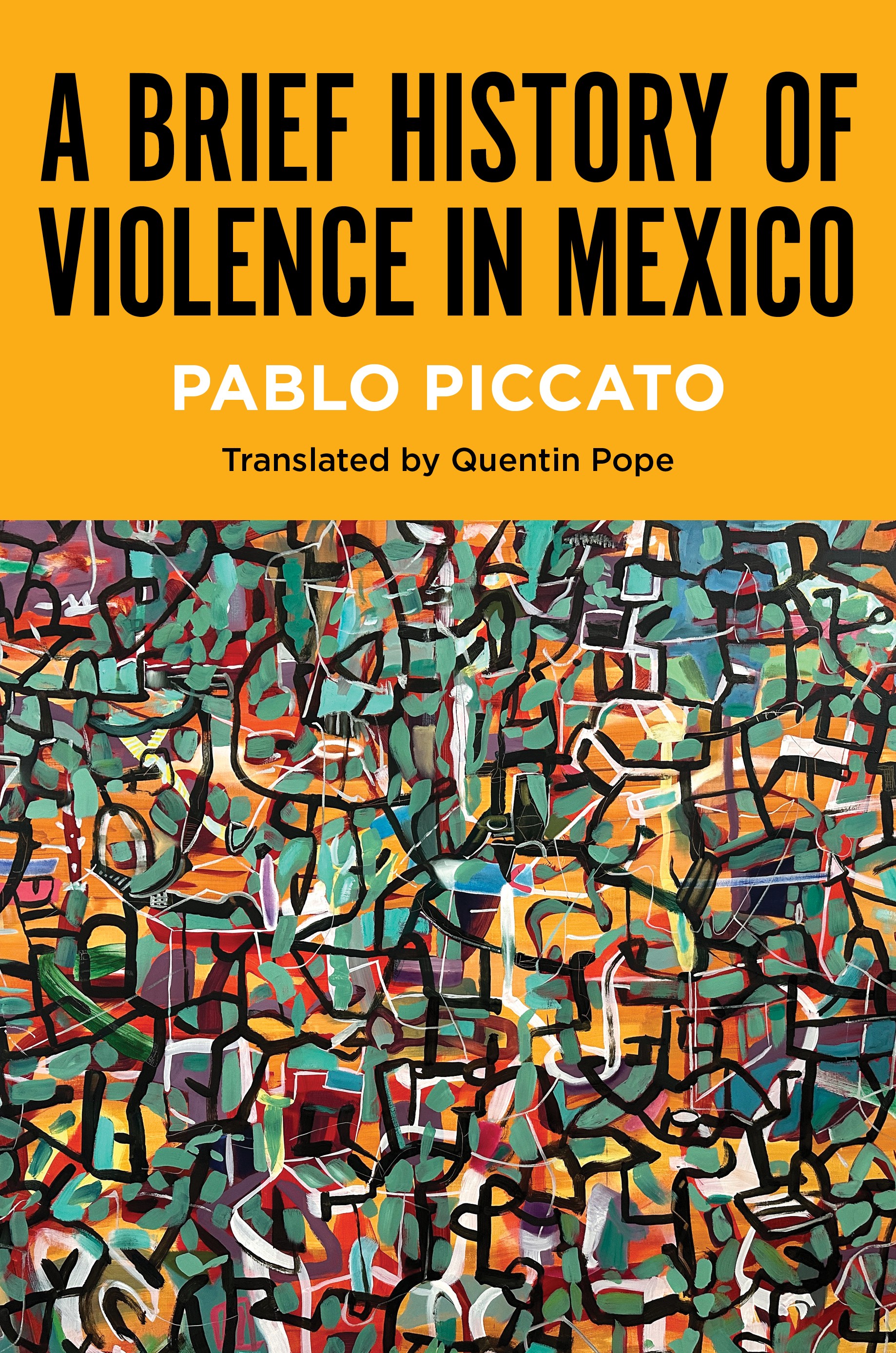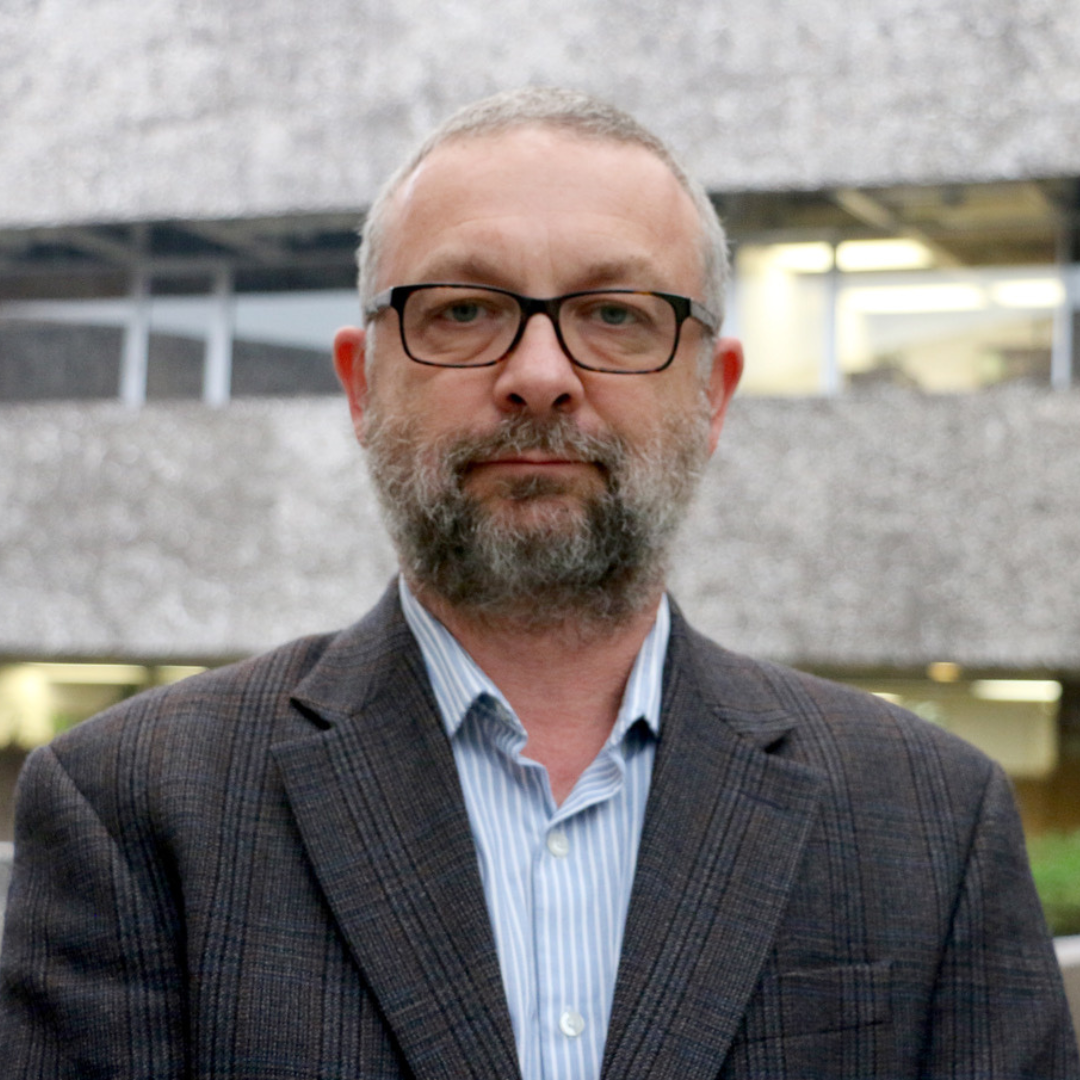
The Center for Latin American Studies (CLAS) is pleased to invite you to a lecture by Professor Pablo Piccato (Columbia University, Department of History), titled A Brief History of Violence in Mexico. This event is part of the Lecture Series on Violence in Latin America and will take place online on Wednesday, November 19, at 12:00 p.m.
In this talk, Piccato will argue that violence in twentieth-century Mexico has a history: it is neither the product of “national character” nor the inevitable result of state weakness. His research examines different forms of violence, situating them in their historical context and analyzing the justifications and practices that made them possible and enduring. He emphasizes the importance of understanding the gendered logic of violence to grasp both its continuities and how civil society has responded to it.
About the speaker
Pablo Piccato received his B.A. in History from the Universidad Nacional Autónoma de México (1989) and his Ph.D. from the University of Texas at Austin (1997). He is a Professor in the Department of History at Columbia University, where he teaches courses on Latin America and the history of crime, politics, and literature.
His research focuses on modern Mexico, particularly the intersections of crime, politics, and culture in the nineteenth and twentieth centuries. He has taught as visiting faculty at universities in Mexico, Argentina, Brazil, Italy, and France. He has served as Director of Columbia’s Institute of Latin American Studies and Chair of the Department of History.
Piccato is the author of Congreso y Revolución (1991), City of Suspects: Crime in Mexico City, 1900–1931 (2001), The Tyranny of Opinion: Honor in the Construction of the Mexican Public Sphere (2010), and A History of Infamy: Crime, Truth, and Justice in Mexico (2017), which won the María Elena Martínez Prize for the best book in Mexican history from the Conference on Latin American History. His most recent book, Historia mínima de la violencia en México (Mexico City, 2022), translated by Quentin Pope and published by the University of North Carolina Press in 2025, serves as the basis for this lecture.
More Information and RSVP: Here