
Rutgers Working Groups
Borders and In/Securities in the New Americas
Coordinator: Clive Echagüe Alfaro, Ph.D. Candidate, Department of Anthropology.
This CLAS working group conveys to Rutgers scholars and graduate students the following questions:
-How are new regimes of deportations, anti-immigrant sentiments, bordering, immigrant detention, and mass incarceration shaping the whole hemisphere of the Americas and shaping a new era of migration policies?
-How is the externalization of borders of northern countries shaping migratory policies and changing the everyday life of borders and migrant corridors in Latin America and the Caribbean?
-How are militarization and the establishment of migrant corridors shaping the everyday life of borderland inhabitants, and how are these changes overlapping vulnerabilities and resistances among borderland inhabitants, migrants, in-transit people, and other actors?
-What kinds of agencies are deploying migrants and border/non-border residents to resist border security policies?
-How do securitist perspectives overlap with insecurities in the everyday lives of Latin American and Caribbean peoples?
-How are security discourses shaping migration policies in the whole hemisphere?
-How does the political economy of security, refugee, and migration policies work, and to whom does it benefit?
These and more questions are posed in a new and changing landscape in the Americas, where, under the name of "security," uncertainty, cruelty, and geopolitical tensions shape mobilities and confinement policies. This working group seeks to create a space for dialogue, care, and collaboration among researchers by sharing experiences and addressing theoretical, epistemological, and methodological questions and reflections. With the end of building networks and gathering Rutgers' colleagues interested in these topics, as well as promoting discussions and research innovations, this interdisciplinary group encompassing diverse territories of the Americas from the United States to Chile, from Sinaloa, passing through the Darien and the Andes, will organize meetings and events.
We invite all Rutgers community members interested in these topics, including inter-doctoral consortium colleagues and beyond. Please write an email expressing your interest in this group to:
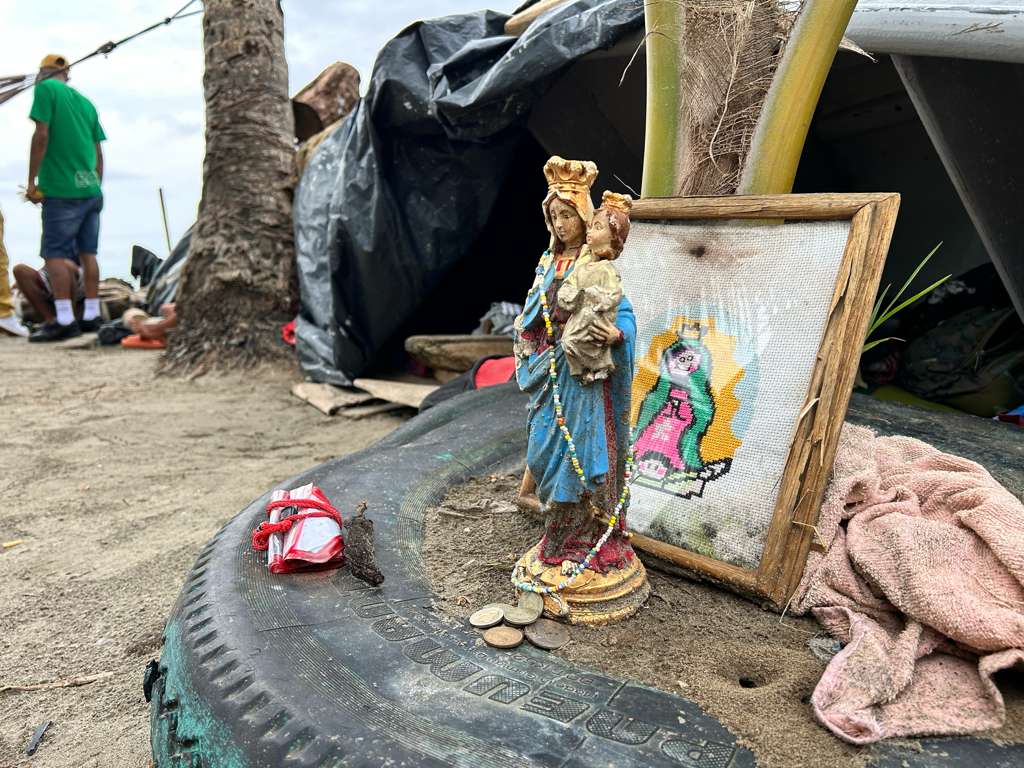
Gloria D'Alessio. Darién border.
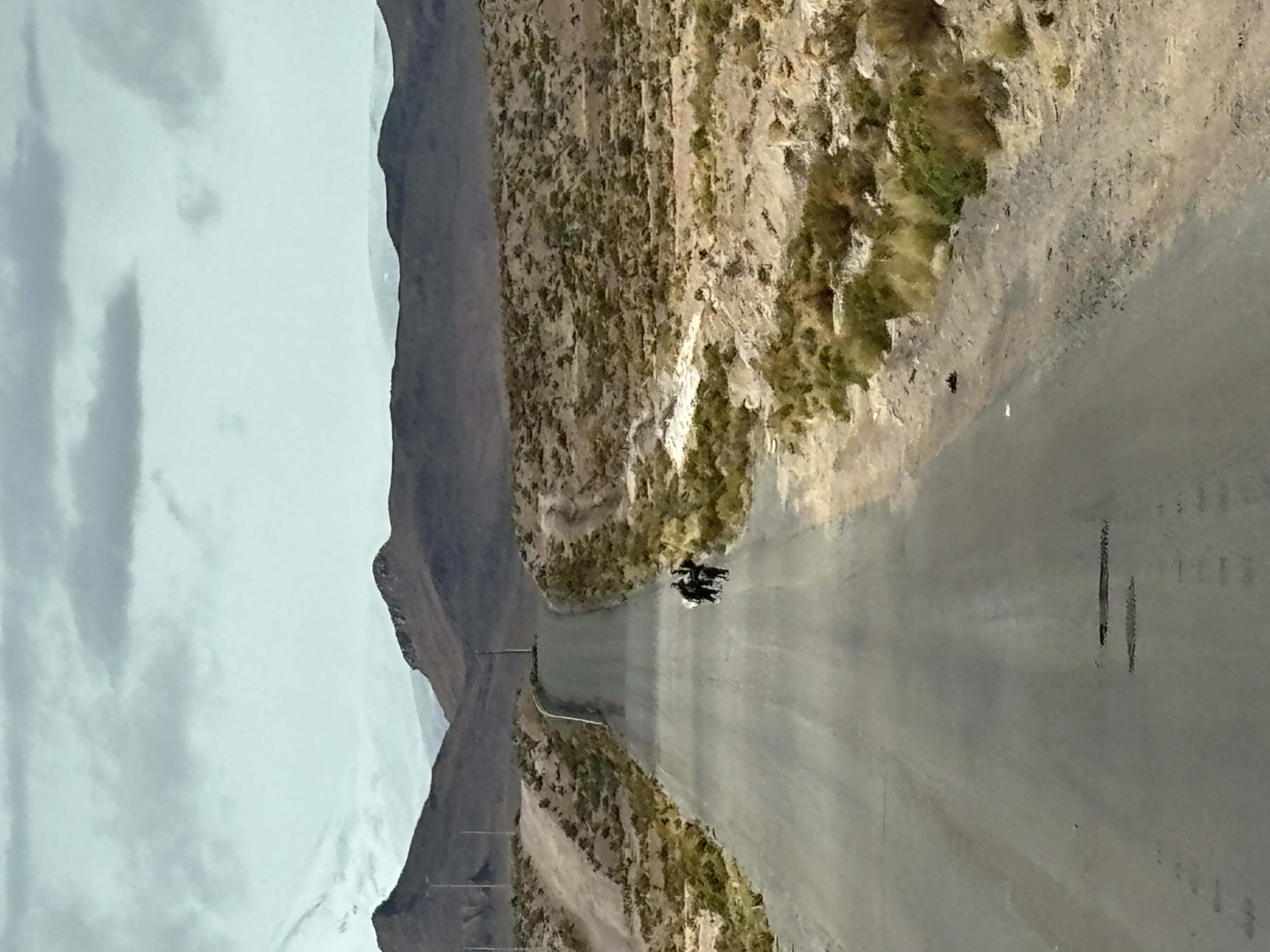
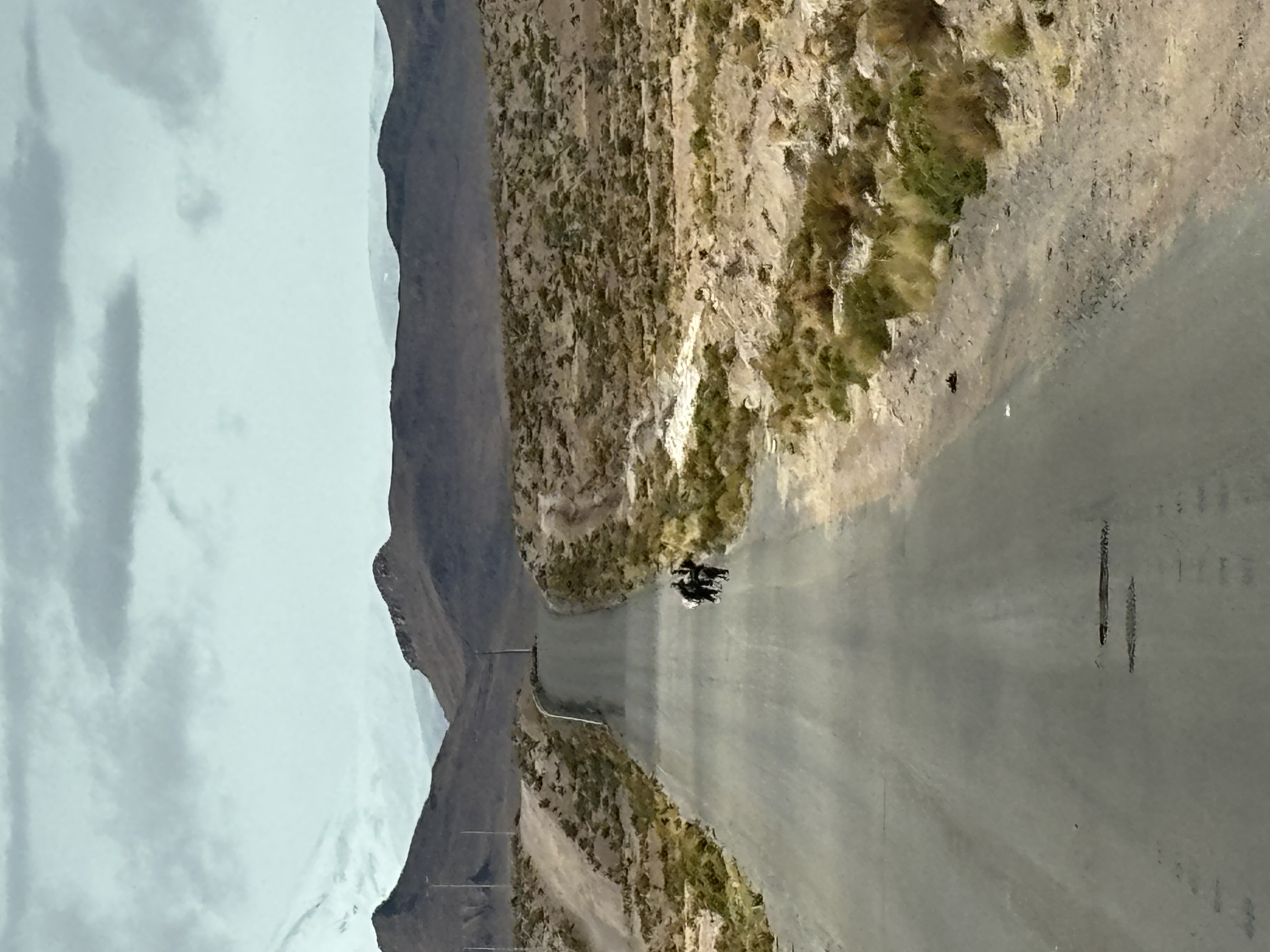
Clive Echagüe A. Chile-Bolivia Border.
Mexico-Central America Working Group
The Mexico/Central American Working Group will coordinate regional interests for the CLAS.
Join the Working Group's email list.
Nathan Darmiento <
Andean-Amazonian Studies Working Group
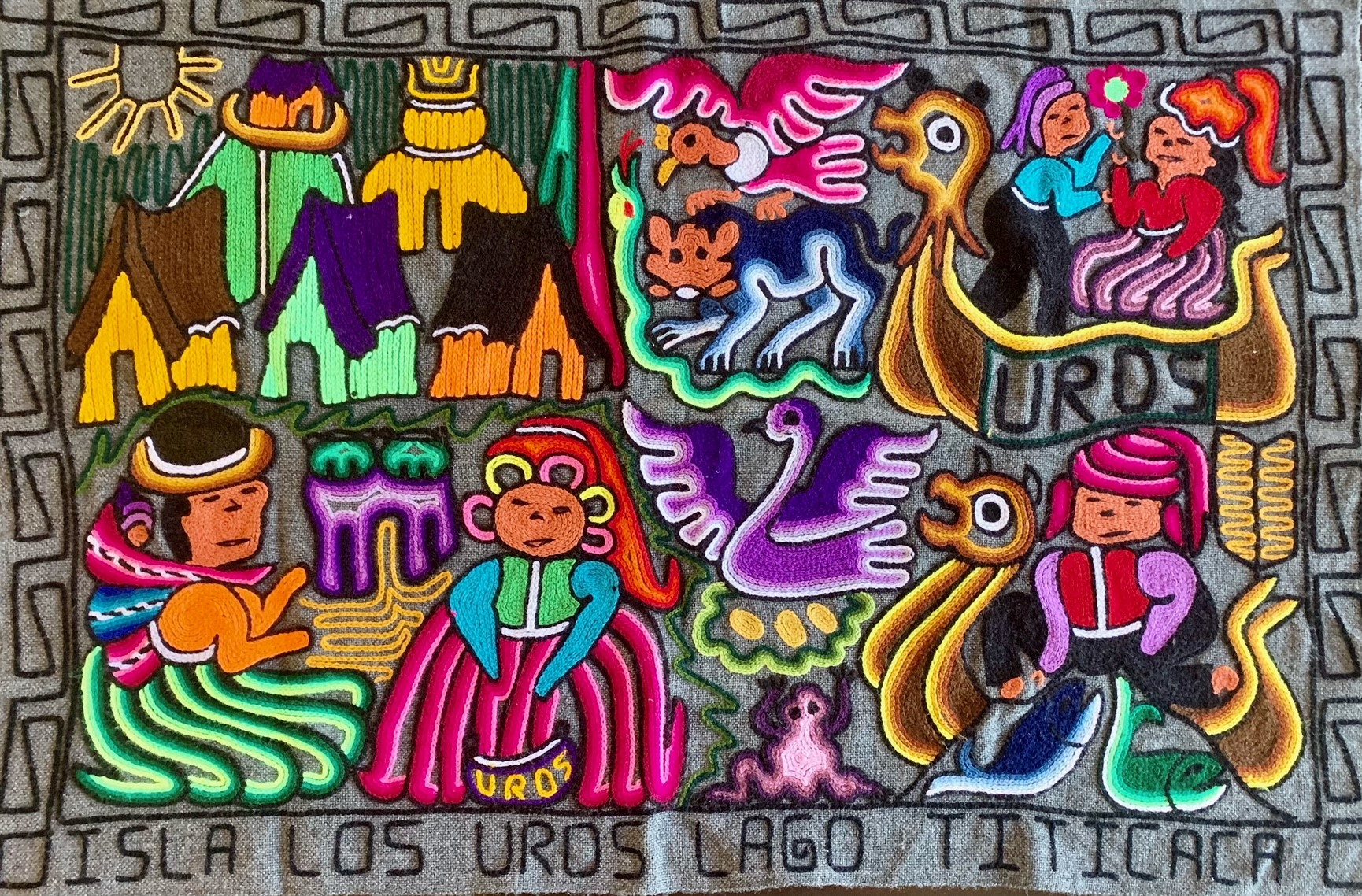
Mildred López Escudero, a graduate student in the Department of Spanish and Portuguese, is the CLAS Andean Studies Working Group coordinator for 2025-2026.
Like other CLAS working groups, the working group will focus on fine-tuning events, workshops, and networks of support and collaboration among people working in the Andean and pan-Amazonian regions. This involves countries like Perú, Ecuador, Colombia, Bolivia, Brazil, and Chile, among others, as well as these countries' diasporas.
It will provide a forum for faculty and graduate students across disciplines interested in the multifaceted Andean and Pan-Amazonian region's history, literature, culture, sexualities, indigenous identities and contemporary issues.
Previous activities:
- Oct 30, 2024. Chile: "Quintero-Puchuncaví: Imaginación y archivo de una zona de sacrificio"
Dr. Arnaldo Donoso Aceituno – PhD in Latin American Literature and a Master's degree in Hispanic Literatures. He is currently postdoctoral researcher at the Pontificia Universidad Católica de Chile, with an investigation on early ecocriticism practices. - April 25, 2025. I Andean-Amazonian Symposium. More information available here.
If interested in our activities, please sign up for the email list: https://lists.sas.rutgers.edu/mailman/listinfo/clas-andean-studies or write to
Brazil Working Group
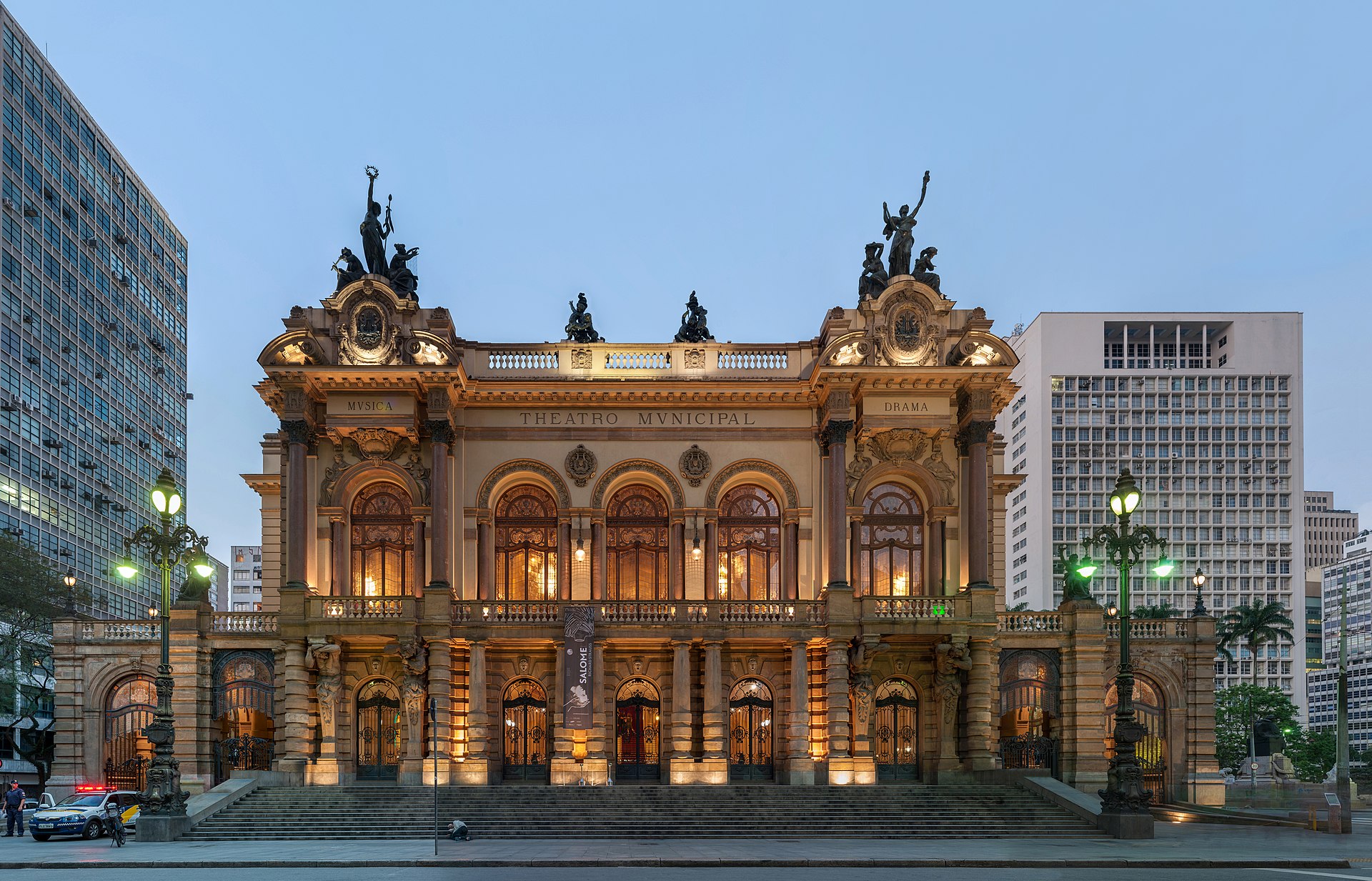
The Brazil Working Group is an interdisciplinary space of dialogue and collaborative thinking.
This year the group will focus on Brazil as/and the Black Diaspora, with particular interest in Brazilian and Lusophone intersections of race, gender, and sexuality.
Through art, performance, film, popular culture, religion, music, and queer and feminist critiques, among many other cultural forms and archives, the group promotes a dialogue that is transdisciplinary and transatlantic, one that does not siphon Brazilian culture off from Black diaspora repertoires, and one that takes Luso-Afro-Brazilian transatlantic histories and resonances into account.
While the aforementioned works as a guiding theme, it need not be the only theme.
Professor Daniel da Silva asks people to join the group and reach out with ideas or directions they would like to see the Brazil Working Group take up. Contact Professor da Silva about events, guest speakers, and other ideas in order to establish a truly dynamic working group.
The group strives to share texts, media, and dialogues via email, through Zoom, and in person.
For more information please join their email list or write to
Caribbean Working Group
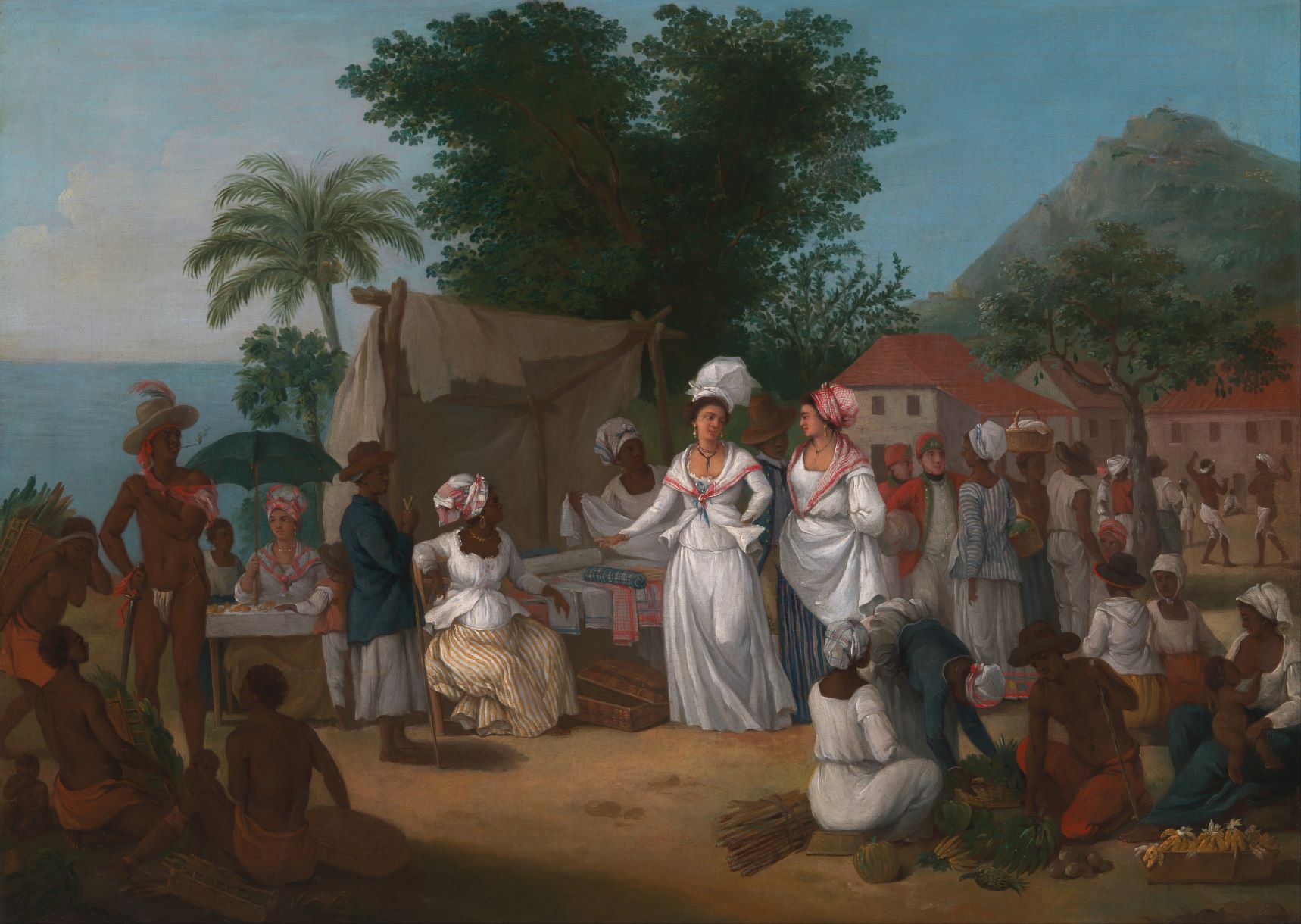
Ph.D. Students Rosa Cordero and Kiran Baldeo have convened a CLAS Working Group in Caribbean Studies with an emphasis on Race, Gender, Migrations, and Class-Formations. This working group is an interdisciplinary space to explore the Caribbean from the 16th through 20th century. Its primary goal is to further explore how race, gender, migration, and class-formation were integral to the region's development and formation. In addition to reading across disciplines, we will read across the Caribbean, exploring the nations and empires that are of interest to our participants but also taking the time to explore how race, gender, and migration operate in a trans-imperial context. In thinking critically about the fraught history of colonialism and its implications we have chosen to incorporate the broadest definition of the Caribbean as possible- including the previously Spanish, French, Dutch, and English colonies and those that geographically lie outside the basin but identify as such. We will use our time discussing both foundational and new texts, workshopping papers and projects, and engaging with invited scholars. As Caribbeanists, we often find that our work drifts between various disciplines and caucuses. We hope that this working group serves as a place to anchor and think through how the social, political, economic, and cultural histories of the Caribbean are implicated in our work.
To join the working group write to