
Conferences
Pactos de Alianza — How Communities Resisted the Shining Path Insurgency in Peru
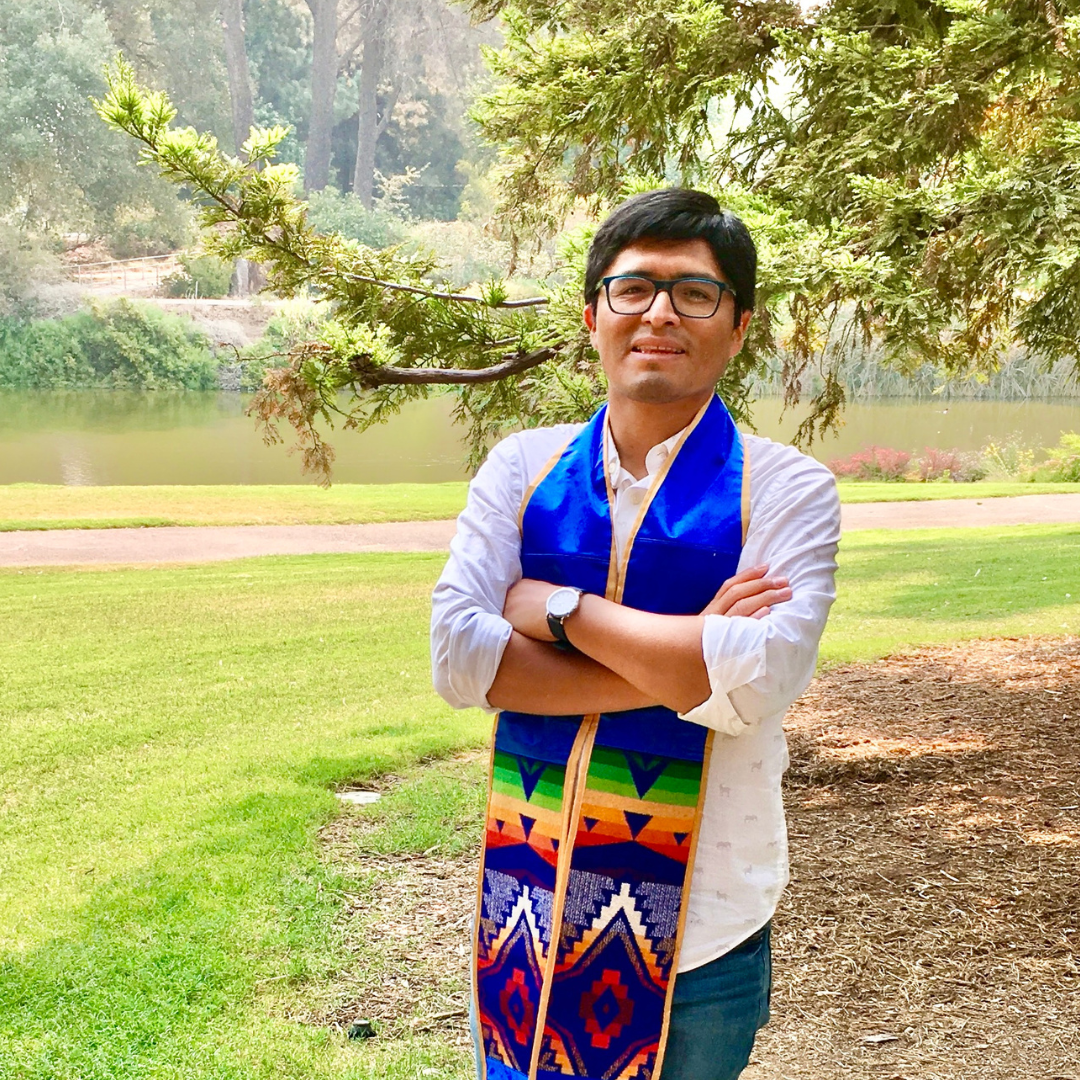
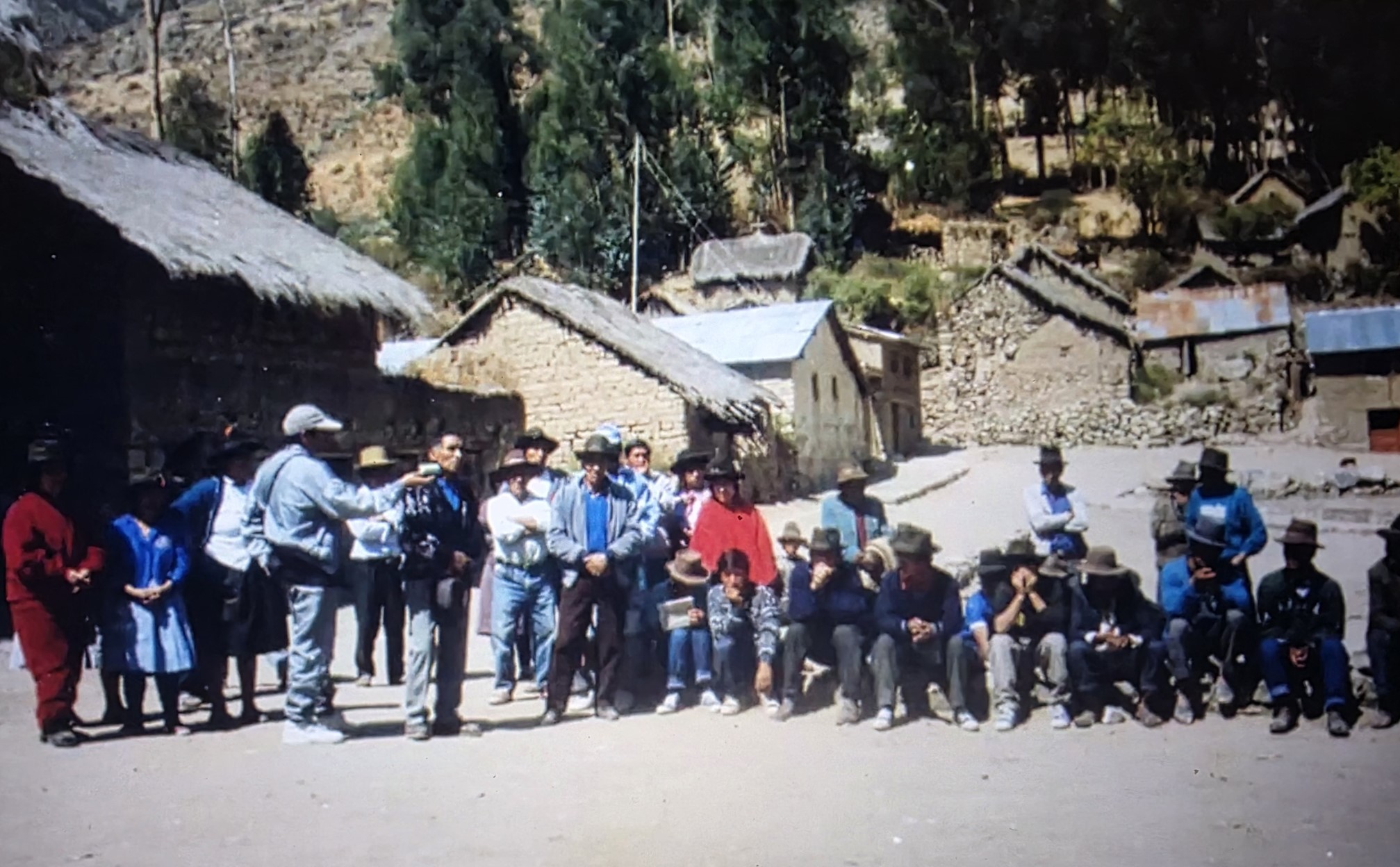
As part of the Violences in Latin America Talk Series, the Center for Latin American Studies at Rutgers University hosted the presentation “Pactos de Alianza: How Communities Resisted the Shining Path Insurgency in Peru” by Renzo S. Aroni Sulca (NYU). The talk offered a powerful and nuanced perspective on community-based resistance during one of the most violent periods of Peru’s internal armed conflict.
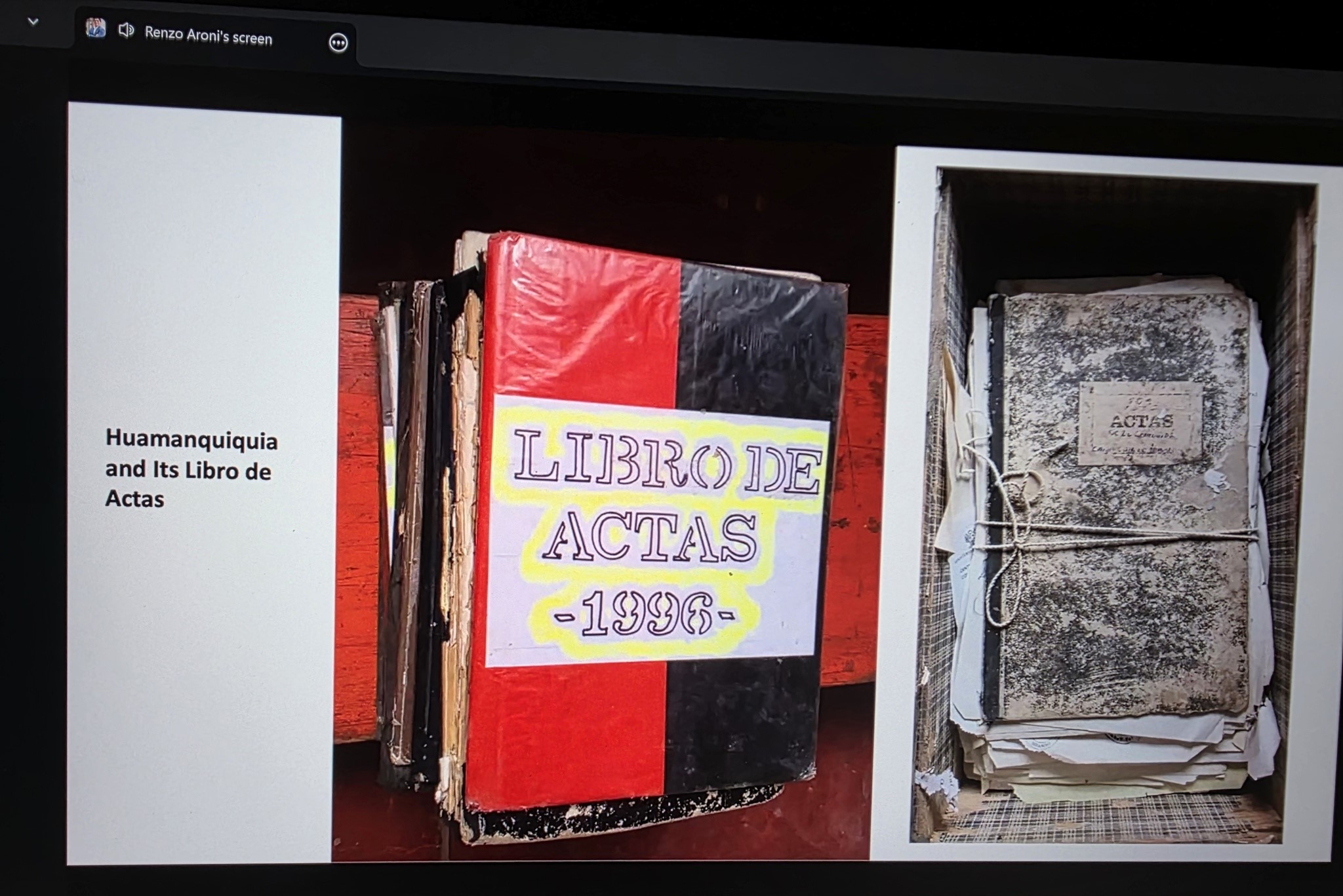
Aroni examined how Indigenous and peasant communities mobilized to confront the threats posed by the Shining Path, drawing on oral histories, communal archives, and a microhistorical approach. Central to his presentation was the Pacto de Alianza, an inter-communal coalition formed between 1983 and 1986—and later revived in 1992—as a response to the insurgency’s authoritarian practices and its persecution of local leaders.
The talk highlighted the agency of rural communities, challenging narratives that portray them solely as victims. Instead, Aroni emphasized their strategic decision-making, the formation of autonomous systems of self-defense, and how collective memory, cultural practices, and local leadership shaped their resistance.
By foregrounding community voices, Aroni’s work invites a rethinking of the historiography of political violence in Peru. It contributes to broader conversations about memory, autonomy, and Indigenous modes of survival and resilience in Latin America.
Pablo Picatto: Violences in Mexico
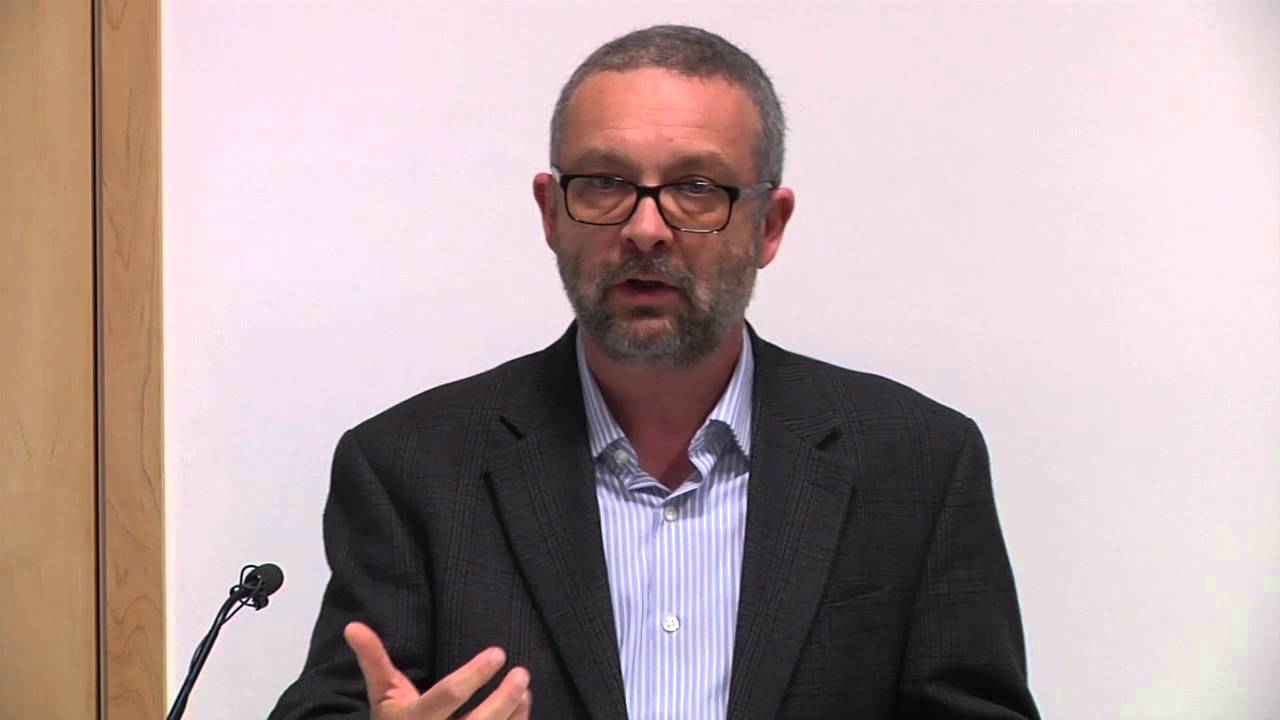
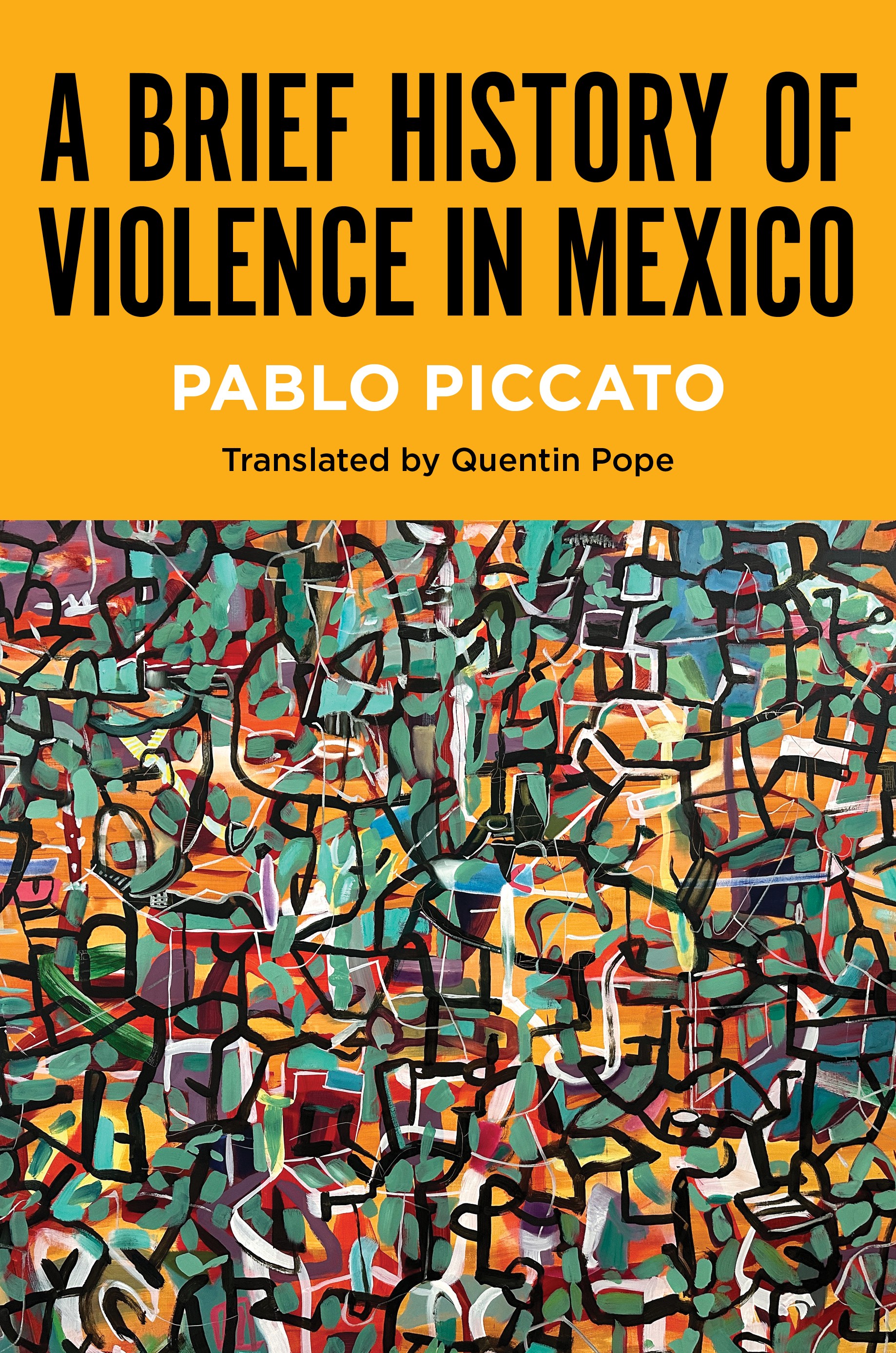
Most recent books:
A Brief History of Violence in Mexico
City of Suspects: Crime in Mexico City, 1900–1931City of Suspects: Crime in Mexico City, 1900–1931
On YouTube: The Assassination of Alvaro Obregon
Sample Chapters on Box
Picatto's Bibliography
Books (Authored)
- Piccato, Pablo. A Brief History of Violence in Mexico. Translated by Quentin Pope. Chapel Hill: University of North Carolina Press, 2025.
- Piccato, Pablo. Historia mínima de la violencia en México. Mexico City: El Colegio de México, 2022.
- Piccato, Pablo. A History of Infamy: Crime, Truth, and Justice in Mexico. Oakland: University of California Press, 2017.
- Piccato, Pablo. The Tyranny of Opinion: Honor in the Construction of the Mexican Public Sphere. Durham, NC: Duke University Press, 2010.
- Piccato, Pablo. City of Suspects: Crime in Mexico City, 1900-1931. Durham, NC: Duke University Press, 2001.
Books (Edited)
- Buffington, Robert, and Pablo Piccato, eds. True Stories of Crime in Modern Mexico. Albuquerque: University of New Mexico Press, 2009.
Journal Articles
- Piccato, Pablo. "The Public Sphere and Liberalism in Mexico: From the Mid-19th Century to the 1930s." Oxford Research Encyclopedia of Latin American History (August 2018). https://doi.org/10.1093/acrefore/9780199366439.013.266.
- Piccato, Pablo. "Crime, Truth, and Justice in Modern Mexico: Notes for a National History." The Americas 73, no. 4 (October 2016): 491-512.
- Piccato, Pablo. "Murders of Nota Roja: Truth and Justice in Mexican Crime News." Past & Present 223, no. 1 (May 2014): 195-231.
- Piccato, Pablo. "Public Sphere in Latin America: A Map of the Historiography." Social History 35, no. 2 (2010): 165-92.
- Piccato, Pablo. "El significado político del homicidio en México en el siglo XX." Cuicuilco 15, no. 43 (2008): 57-80.
- Piccato, Pablo. "Politics and the Technology of Honor: Dueling in Turn-of-the-Century Mexico." Journal of Social History 33, no. 2 (Winter 1999): 331-54.
- Buffington, Robert, and Pablo Piccato. "Tales of Two Women: The Narrative Construal of Porfirian Reality." The Americas 55, no. 3 (January 1999): 391-424.
- Piccato, Pablo. "'El Paso de Venus por el disco del Sol': Criminality and Alcoholism in the Late Porfiriato." Mexican Studies/Estudios Mexicanos 11, no. 2 (Summer 1995): 203-41.
Book Chapters
- Piccato, Pablo. "Pistoleros." In Hampones, pelados y pecatrices: Sujetos peligrosos de la Ciudad de México (1940-1960), edited by Susana Sosenski and Gabriela Pulido Llano, 145-84. Mexico City: Fondo de Cultura Económica, 2020.
- Piccato, Pablo. "Notes for a History of the Press in Mexico." In Journalism, Satire, and Censorship in Modern Mexico, edited by Benjamin Smith, Paul Gillingham, and Michael Lettieri, 33-60. Albuquerque: University of New Mexico Press, 2018.
- Piccato, Pablo. "Ley Fuga as Justice: The Consensus around Extrajudicial Violence in Twentieth-Century Mexico." In Violence and Crime in Latin America: Representations and Politics, edited by Gema Santamaría and David Carey Jr., 23-43. Norman: University of Oklahoma Press, 2017.
- Piccato, Pablo. "A Historical Perspective on Crime Fiction in Mexico During the Middle Decades of the Twentieth Century." In The Oxford Handbook of the History of Crime and Criminal Justice, edited by Paul Knepper and Anja Johansen, 353-72. New York: Oxford University Press, 2016.
- Piccato, Pablo. "Pistoleros, Ley Fuga, and Uncertainty in Public Debates about Murder in Twentieth-Century Mexico." In Dictablanda: Politics, Work, and Culture in Mexico, 1938-1968, edited by Paul Gillingham and Benjamin Smith, 321-41. Durham, NC: Duke University Press, 2014.
- Piccato, Pablo. "Murder as Politics in Modern Mexico." In Murder and Violence in Modern Latin America, edited by Eric A. Johnson, Ricardo D. Salvatore, and Pieter Spierenburg, 104-25. Malden, MA: Wiley-Blackwell, 2013.
2025: Talk With Colombian Activist and Analyst Alberto Yepes
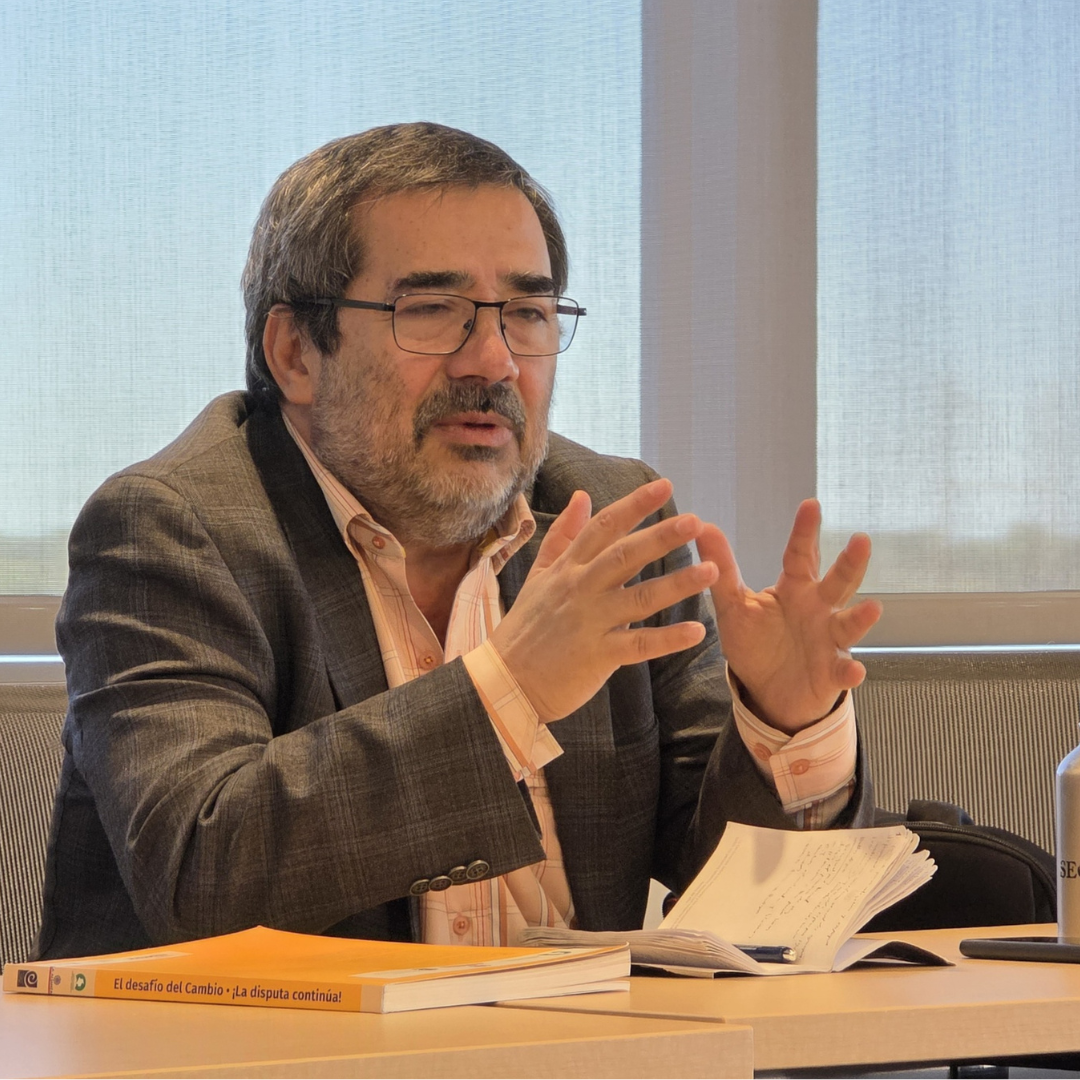
Understanding the seven-decade-long Colombian conflict is not easy. It is, in fact, a paradox. On the one hand, this country is one of the most stable democracies in the region, and despite many deficiencies, it has allowed elections and power transitions. On the other hand, Colombia has been for decades one of the countries with the highest rates of conflict and violence in the region. How can we understand this paradox? Colombia has had peace agreements with various armed groups, the most recent with the FARC (2016), but despite these efforts, as well as a new constitution (1991) that emerged from one of these efforts to create consensus and peace, neither has been achieved. How are the paradoxical situation and these failed efforts related to the neoliberal model, included in the new constitution, that has ruled the formal economy in Colombia for decades? And how are they related to the parallel illegal drug trafficking that supplies the increasing drug demand – mostly cocaine - of the international market?
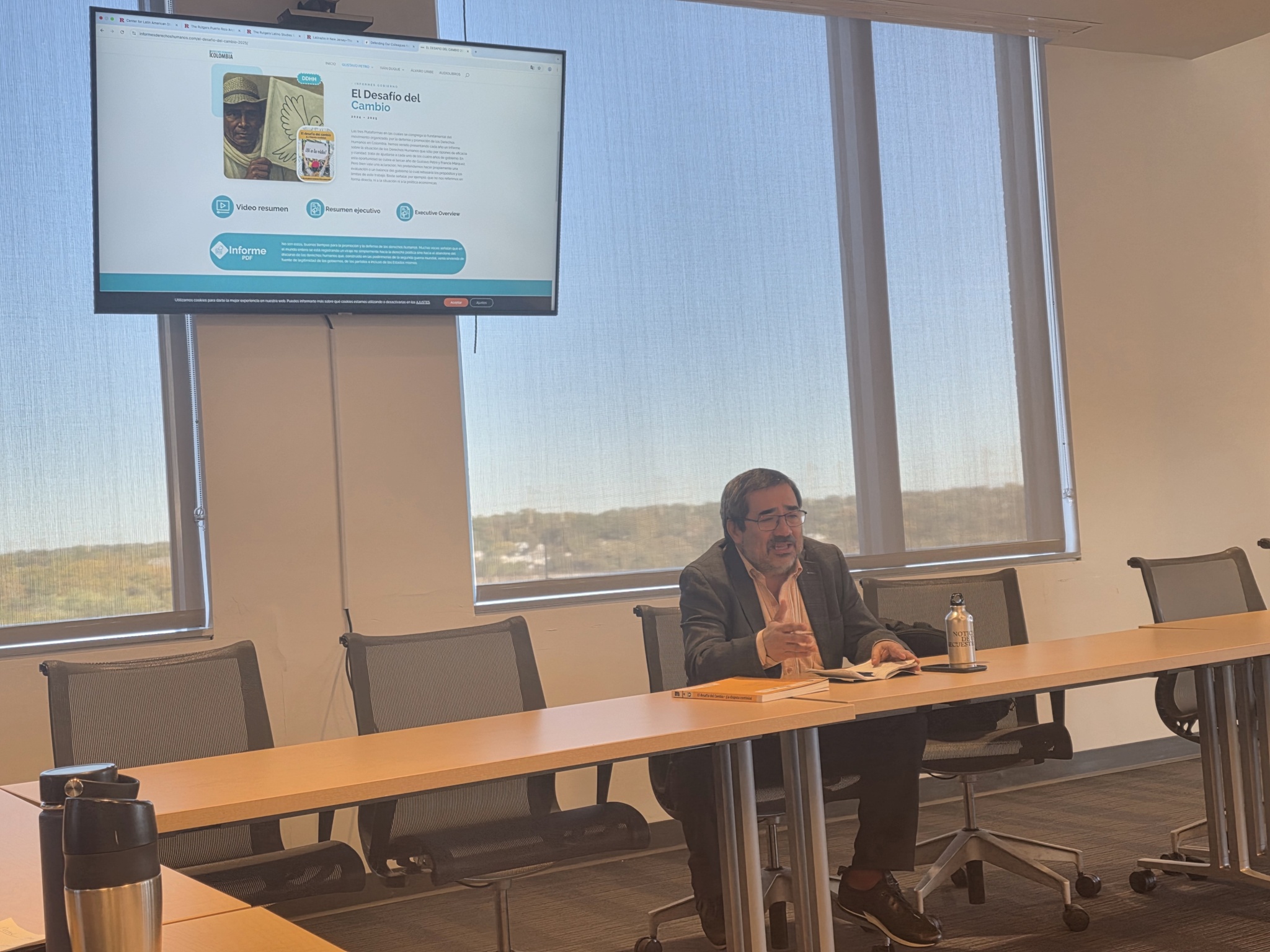
Alberto Yepes addressed these and other complex questions in a talk sponsored by the Colombian Human Rights Network (CHRN) and CLAS on October 9 at Rutgers University in New Brunswick. A lawyer, Alberto has dedicated the past 35 years of his life to the defense of human rights, the last eight as a coordinator of the Human Rights Observatory and the International Humanitarian Law in the CCEEU (Coordinación Colombia – Europa - Estados Unidos). In his presentation, Yepes invited the audience to read the most recent human rights report produced by his organization El Desafío del Cambio.
Complete Report, Spanish: (228 paginas):
https://informesderechoshumanos.com/wp-content/uploads/2025/09/El-desafio-del-cambio-final-2025.pdf
Fall Research Symposium 2025
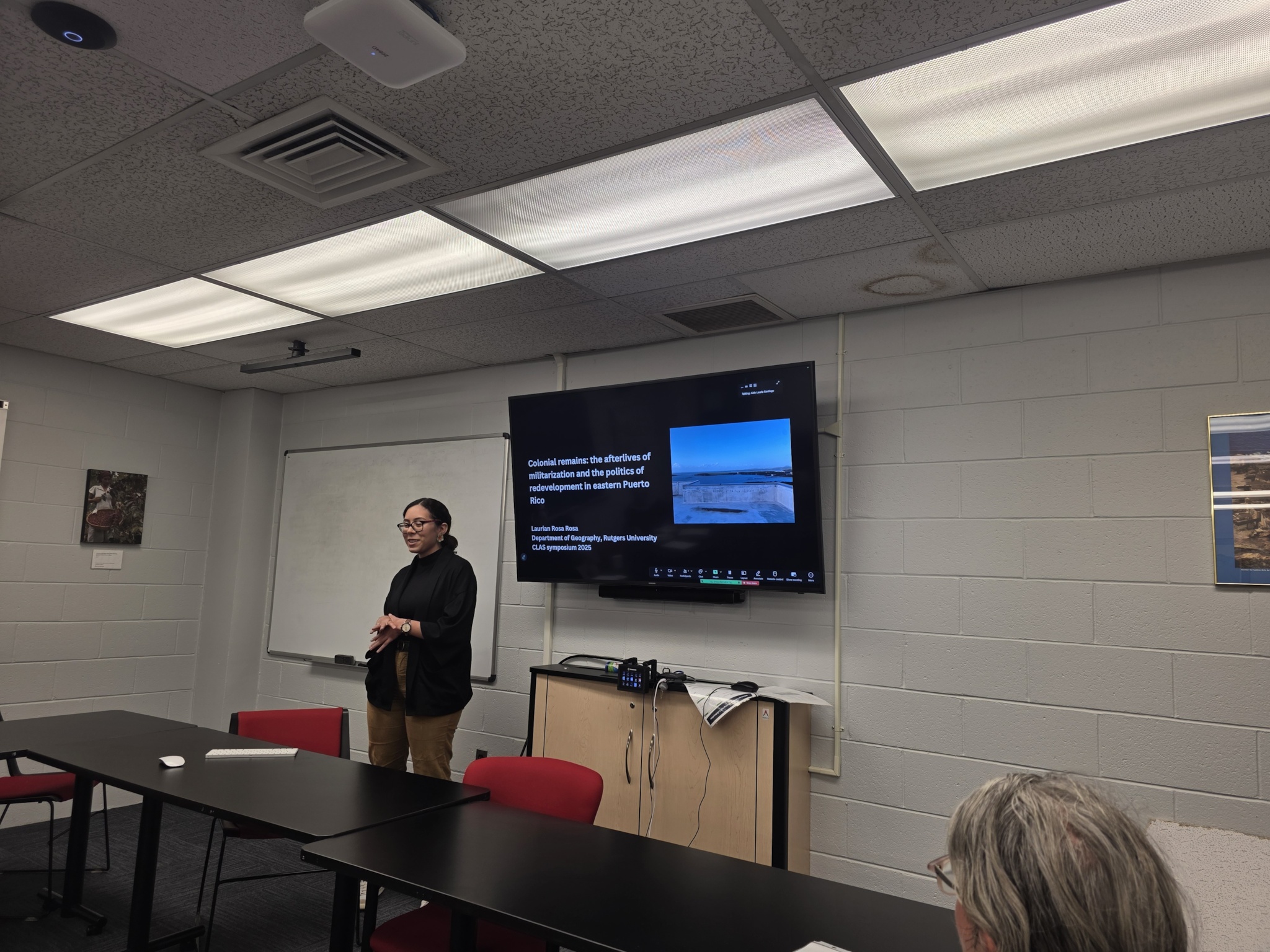
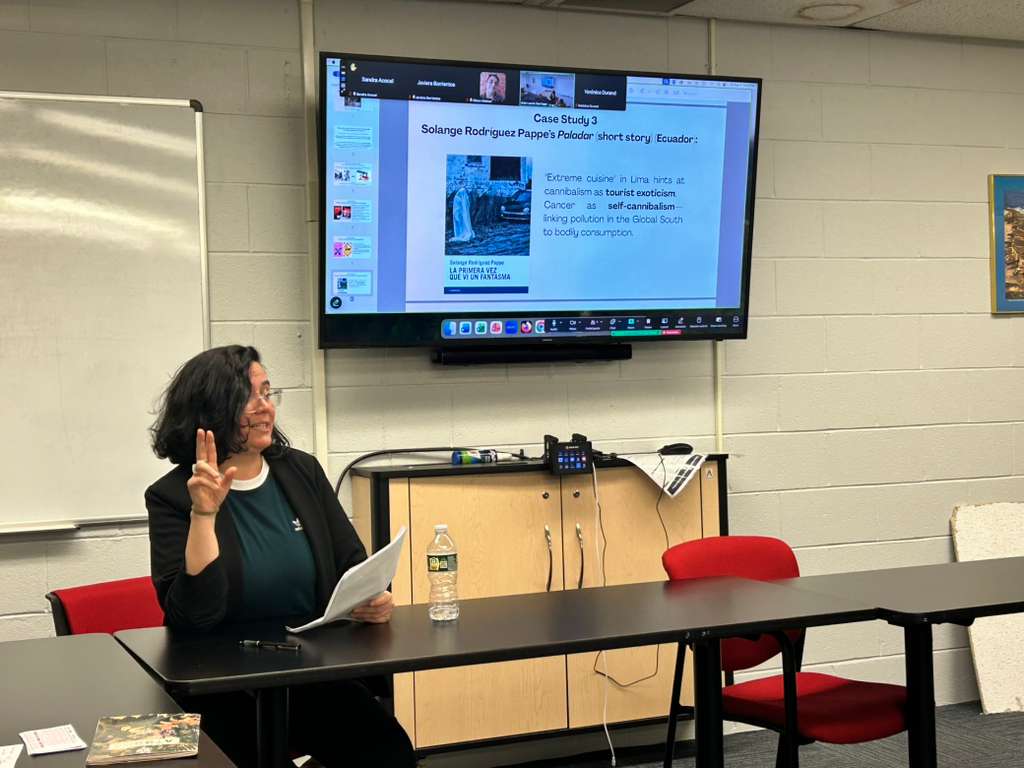
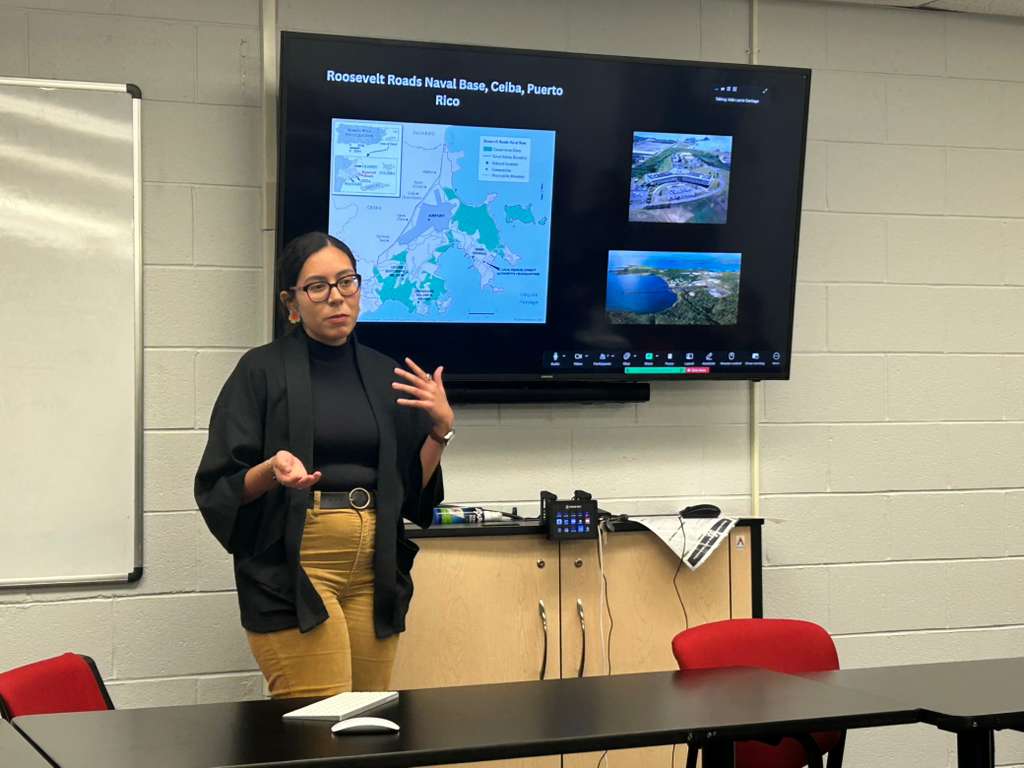
On Friday, November 7, 2025, the Fall Research Symposium took place at Lucy Stone Hall A265 on the Livingston campus, bringing together graduate students— including recipients of research support— to share their ongoing work on topics related to Latin America and beyond. The event, organized by the School of Arts and Sciences, provided a vibrant interdisciplinary space for discussion, critique, and intellectual exchange.
The symposium opened with a welcome coffee, followed by three thematic panels that showcased a wide range of innovative research.
Panel 1: Indigenous Communities, Power, and Resources
Presentations in this session explored issues of state power, colonial legacies, land, and indigenous agency:
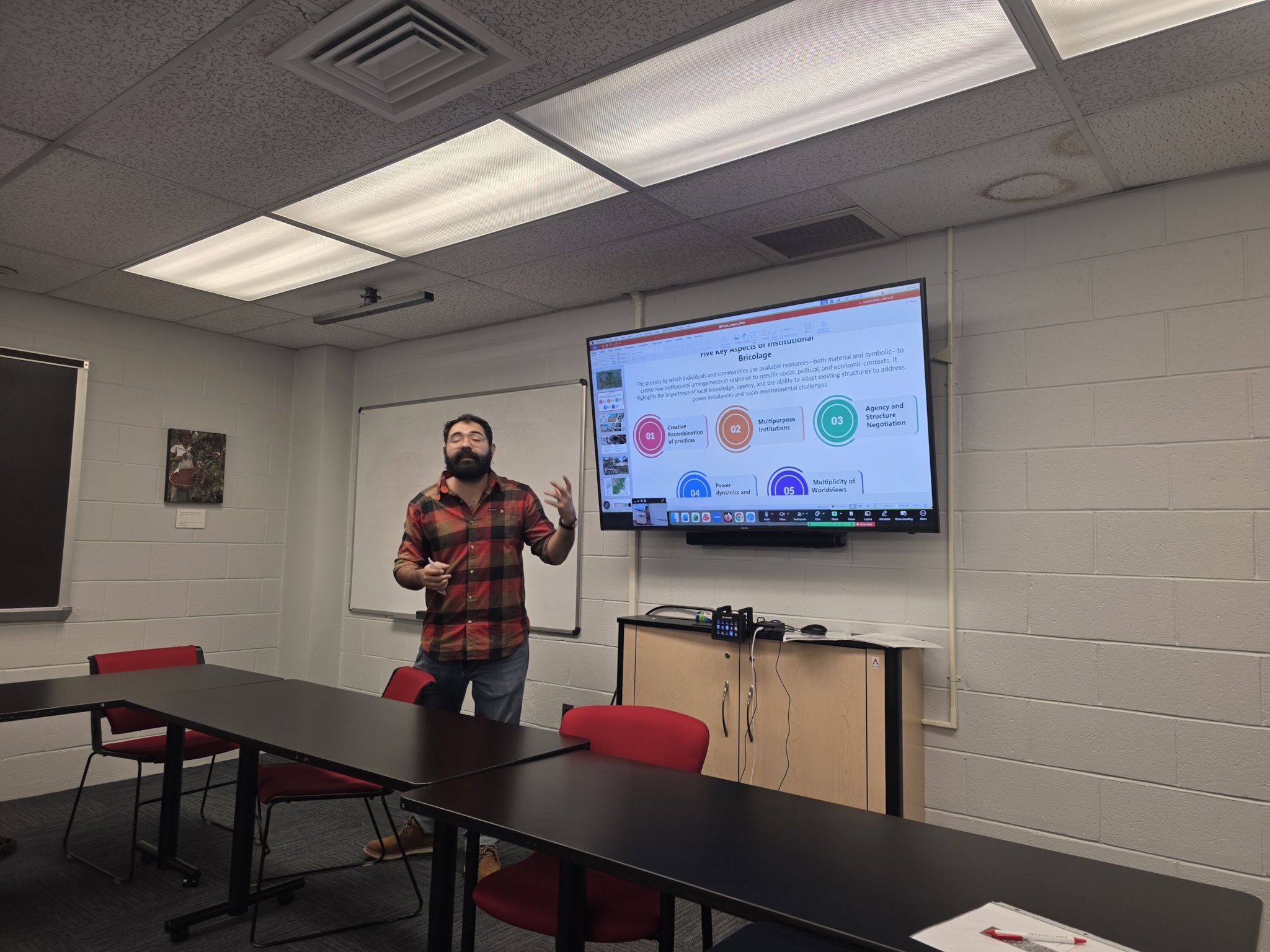
- Leonardo Calzada, Local Perspectives and Institutional Bricolage Around Conservation and Development: Sembrando Vida and the Maya Train in the Southern Yucatán Peninsula
- Sandra Acocal, The Indian Nobility in Central México in the Sixteenth Century: The Institution of the Noble House
- Nathan Darmiento, Seeing Like a (Mexican) State: Researching a Peripheral Zone in a National Archive
- Gilson Mateus, Indigenous Populations in Jesuit Land Compositions: Legal Arguments for Possession in Colonial Quito
Panel 2: Cultures, Practices, and Health
This second session examined archives, consumption, and the place of intermediaries in public health:
- Javiera Barrientos, Religious Archives in the Study of South American Waste Paper
- Ana Llurba, Bodies that Consume Bodies: Consumption Anxieties in the Latin American Anthropocene
- Joyce Lu, Community health workers or medicine vendors? Middle figures in Guatemala’s therapeutic landscape of antimicrobial resistance
Panel 3: Mobilities, Politics, and Development
The final panel focused on migration, international relations, security, and ongoing colonial dynamics in the region:
- Gloria D’Alessio, The Making and Unmaking of a Migration Corridor: Migration, Labor, and Reconfigurations of Border Life in the Darien Borderland
- Laura De Moya Guerra, Performing Diplomacy: Taiwan and China Dispute in Colombia During the Cold War 1960–1980
- Jeffrey Aizprua, Chaos at the End of the Funnel: How DTOs, poverty, and state capture have channeled drugs and violence to Esmeraldas, Ecuador
- Laurian Rosa Rosa, The Empire Remains: Colonial Continuities in Puerto Rico’s Post-Military Landscapes
- María Chacón Rendón, El éxito de La Calle y los orígenes del Nacionalismo Revolucionario en Bolivia
We extend our appreciation to all presenters, attendees, faculty participants, and the organizing team at the School of Arts and Sciences. Congratulations to the graduate students whose thoughtful and rigorous presentations made this symposium a success.
November 2025: Migrant solidarity and indigenous language justice in Guatemala, Mexico, and the US
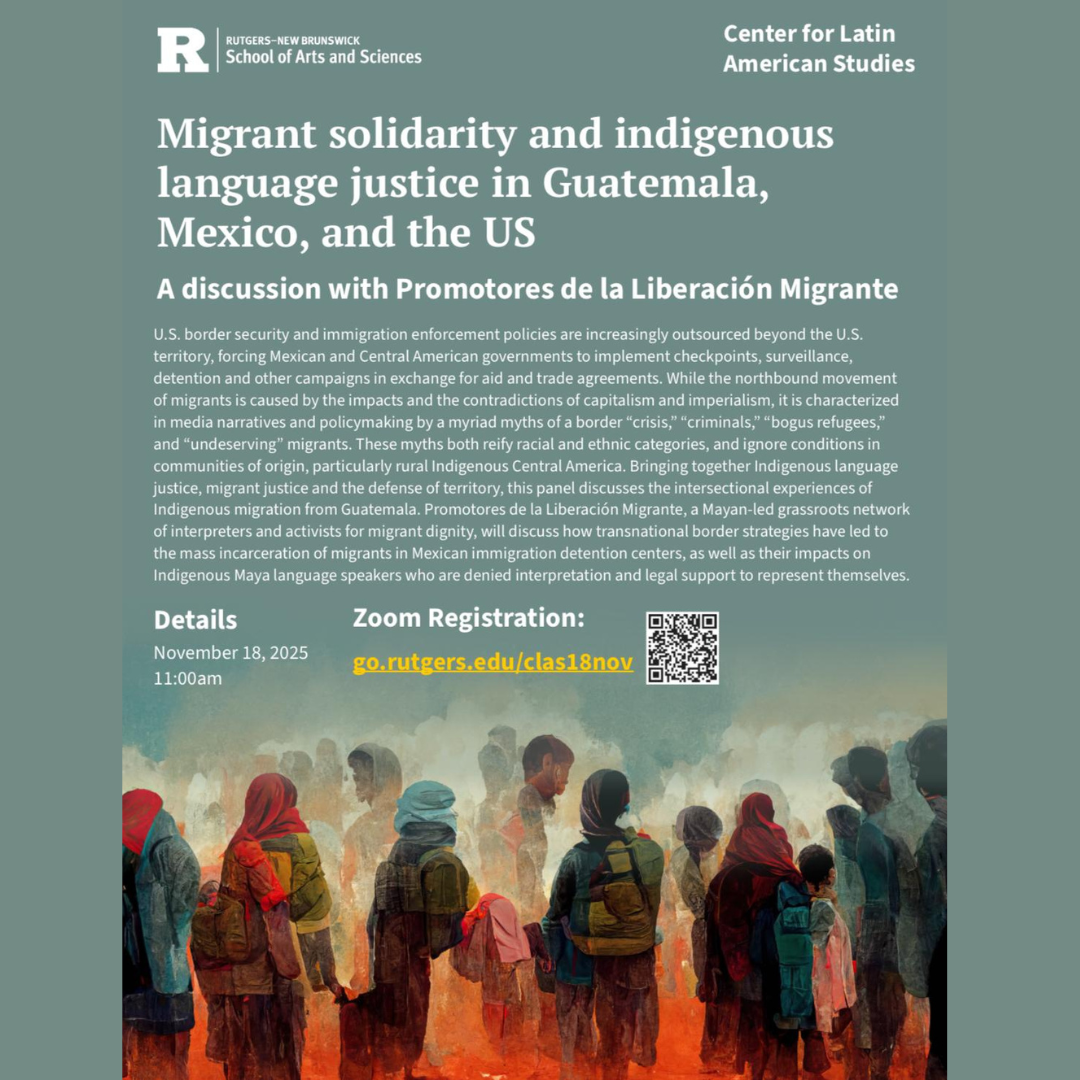
The event, held on Tuesday, November 18, 2025, was hosted by the Center for Latin American Studies and the Mexico-Central America Working Group and featured representatives from Promotores de la Liberación Migrante (PLM), a Mayan-led grassroots organization that provides critical language and advocacy services for Indigenous Guatemalan migrants traveling through Mexico and into the United States. PLM's representatives focused on the intersectional nature of the experiences many rural, Indigenous migrants go through as they navigate anti-migrant policies and a general political landscape designed to stop them in their migrant journey through Mexico. Through an advocacy-based approach that centers on language justice, defense of territory, and migrant justice, PLM was able to successfully fight for the release of Juanita, a Maya-Chuj woman who was detained by Mexican immigration officials and held in their custody for eight years. The two-hour-long event went into detail over the work PLM does for migrants as well as the story of Juanita's detention, violation of her migrant rights, and her eventual release in 2022.
- Fall 2024 CLAS Research Symposium (Presentation Titles and Abstracts)
- April 2024: Im/Mobility in Migratory Contexts--A Roundtable on Migration, Transit, Securitization and Mobilities in Central America and Mexico
- April, 2024: Reflexiones sobre el primer ciclo del movimiento revolucionario guatemalteco, 1961-1973
- Spring 2024 Film Festival: NEW ASSEMBLAGES IN LATIN AMERICA AND THE IBERIAN WORLD